Layers, Fragments and Assemblages:
narratives of women from confinement
Summary
What stories are possible when words are not enough? What images represent confinement, freedom, and womanhood? Who allows themselves to be reached by art produced in confinement?
Layers, Fragments and Assemblages opened a space for collective creation with women deprived of liberty in Lima. Through collage as a form of narration, participants explored confinement, freedom, and femininity, expressing experiences that are often lived in solitude and silence.
Once outside the prison, these creations bring the participants’ experiences closer to people in freedom and foster dialogue about realities that are usually silenced.
At a time when responses to crime are marked by punitivism and increased repression, the project points in another direction: listening, making visible, and allowing ourselves to be affected by the experiences of people deprived of liberty.
Being a Woman in Prison
In Peru, women make up around 5% of the prison population. In 2026, of the 103,337 people deprived of liberty, 5,420 were women. The project took place at the Chorrillos Women’s Annex, one of the country’s 13 women’s incarceration facilities.
Their experiences are marked by economic precarity, gender-based violence, and social exclusion before, during, and after incarceration.
Creating in the Margins of Confinement
Over eleven group sessions, thirty women took part in a research-action-creation process through collage. No artistic experience was required — only openness to telling their stories by cutting, pasting, tearing, and layering images.
Participants
Assembled Narratives
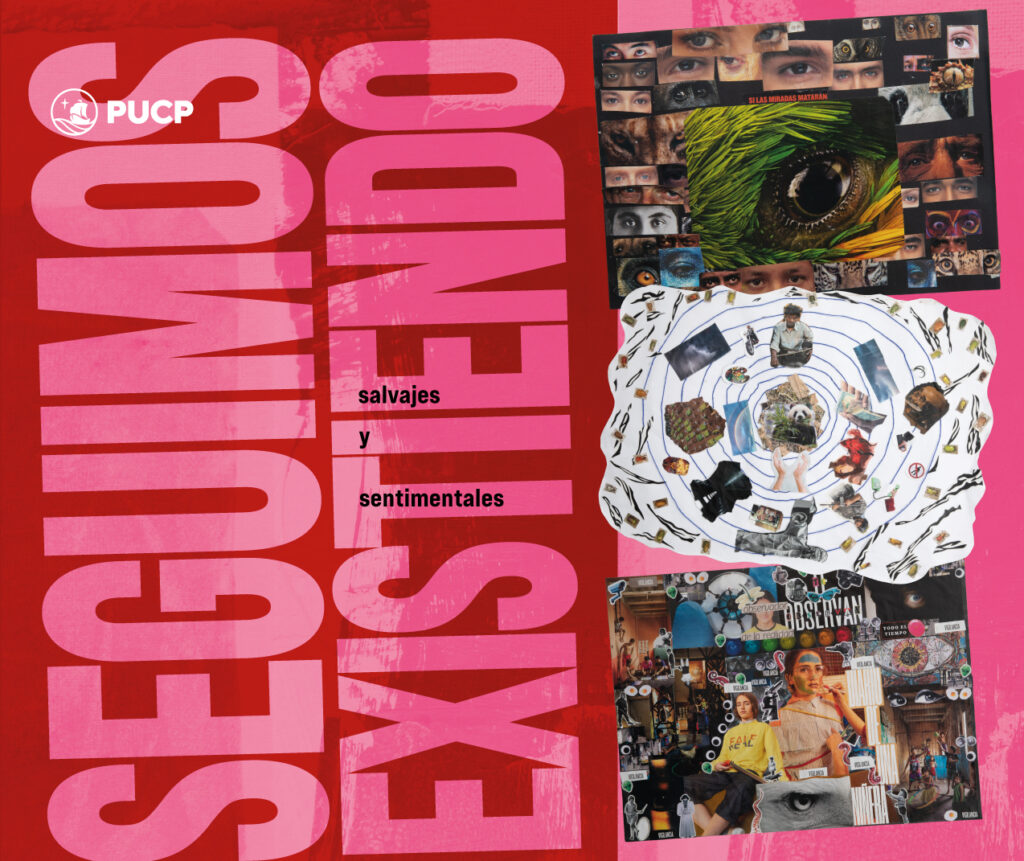
Through photographs, words, images, and clippings, participants transformed everyday materials into visual narratives crossed by personal memories, family bonds, desires, fears, and possible futures.
Collaborations Between the "Inside" and the "Outside"
The collages became inputs for artistic products co-created with the team: videos, audio, writings, and portraits.
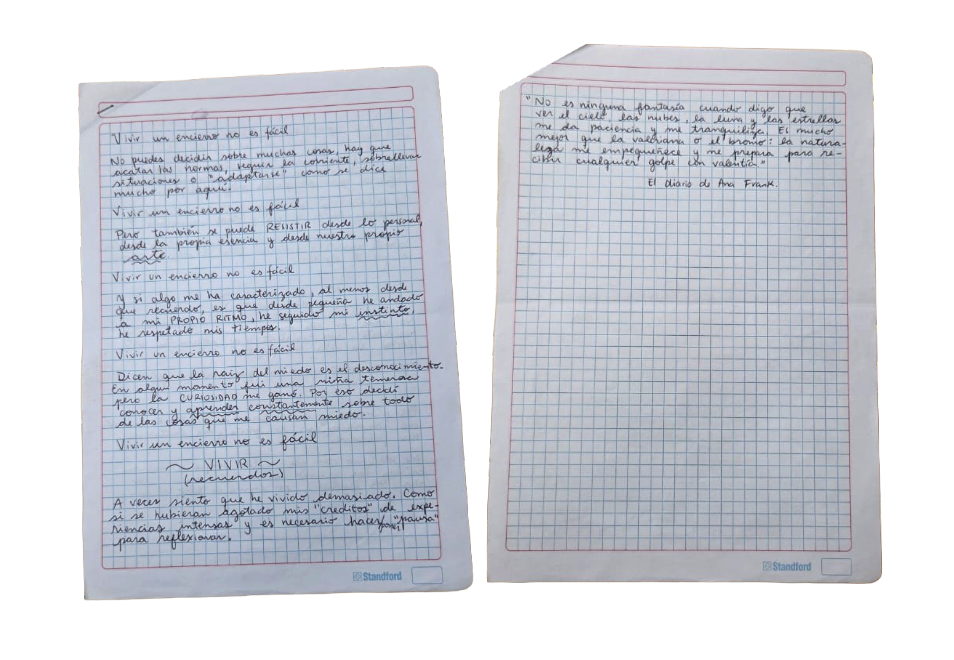
Personal writings by the participants in response to the collage sessions.
READ THE STORIES →Press to play and/or pause
Publications and Training Spaces
The project has produced academic articles, conference presentations, a methodological guide, and training workshops for INPE officials and university students.
Team
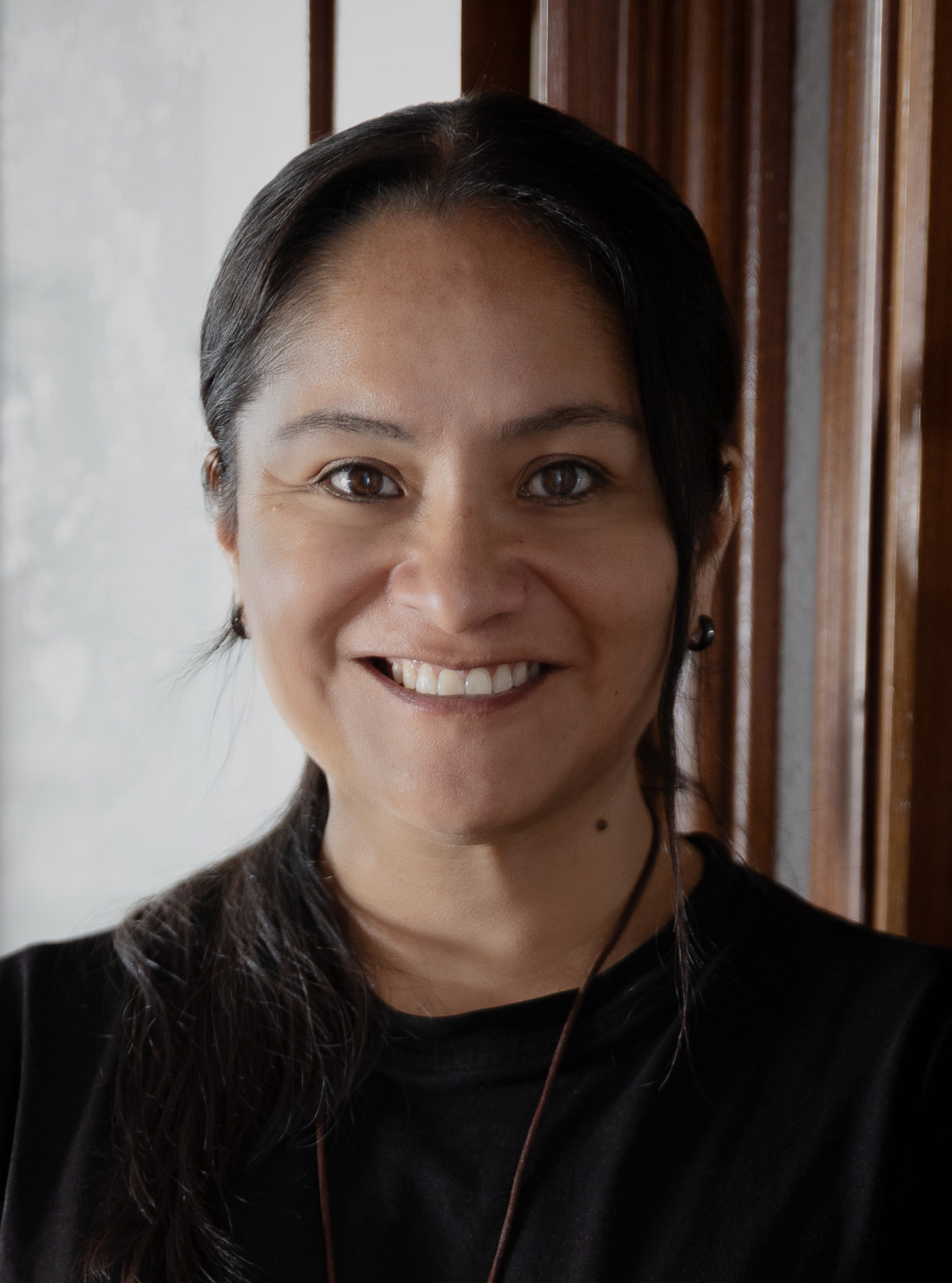
University lecturers, sociologists, psychologists, and artists who bring together academic research, artistic practice, and community work.


Credits
We thank all the women who took part in the process, along with their families and significant others who played a leading role. Permission has been granted for the use of all images shown on this website. The project was the winner of the PUCP 2024 Annual Creation Projects Competition, funded by the Vice-Rectorate for Research of the Pontifical Catholic University of Peru.